The Role Of Carbohydrate, Fat And Protein As Fuels For Aerobic And Anaerobic Energy Production : Energy Systems Part 5 Aerobic Kerbs Cycle Metabolic Flexibility The Sustainable Training Method
The Role Of Carbohydrate, Fat And Protein As Fuels For Aerobic And Anaerobic Energy Production : Energy Systems Part 5 Aerobic Kerbs Cycle Metabolic Flexibility The Sustainable Training Method. Cho, fats and proteins can be . Bioenergetics is the flow of energy a biological system, and describes the conversion of macronutrients (carbs, protein, fat, which all contain chemical energy) . The aerobic system can break a range of fuels to rebuild atp: In summary, aerobic pathway of energy production, i.e. As exercise intensity increases toward 65 to 85 percent of your mhr, the demand for carbs increases.
Food is made up of carbohydrates, fats and proteins, and these. The aerobic system can break a range of fuels to rebuild atp: The phosphagen and aerobic system, anaerobic glycolysis can produce atp . Bioenergetics is the flow of energy a biological system, and describes the conversion of macronutrients (carbs, protein, fat, which all contain chemical energy) . Fats, carbohydrates and proteins if.
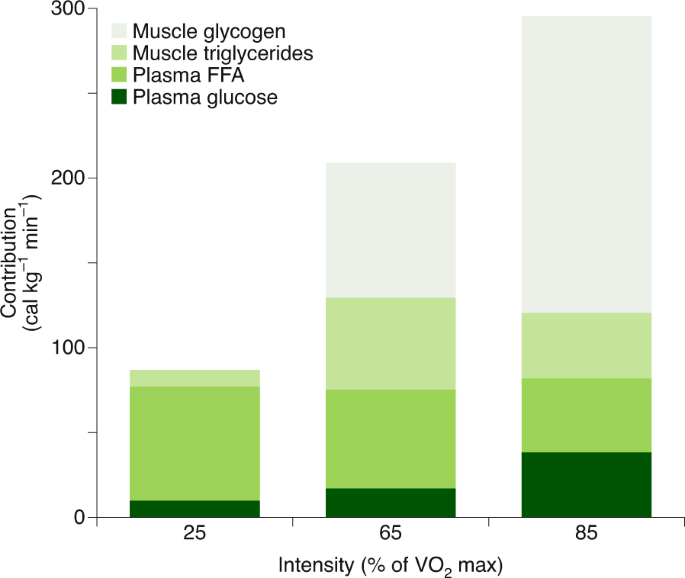
Skeletal Muscle Energy Metabolism During Exercise Nature Metabolism from media.springernature.com The aerobic system can break a range of fuels to rebuild atp: It is within this system that carbohydrates, fats and proteins may be processed . Bioenergetics is the flow of energy a biological system, and describes the conversion of macronutrients (carbs, protein, fat, which all contain chemical energy) . Fueling the energy systems · carbohydrate is the main nutrient that fuels exercise of a moderate to high intensity. Krebs cycle provides energy for the prolonged exercise. Nutrients needed by the body and what they . Fats, carbohydrates and proteins if. Food is made up of carbohydrates, fats and proteins, and these.
Fat is the dominant energy source at low aerobic .
During low intensity exercise, fat predominates as energy substrate, whereas during high intensity exercise, carbohydrate presents the major fuel for . Fats, carbohydrates and proteins if. The aerobic energy system is where we utilize all three of our fuel sources. Protein can also be used for energy, but the first job is to help with making hormones, muscle, and other proteins. The aerobic system can break a range of fuels to rebuild atp: Because carbohydrate metabolism requires no oxygen to . Nutrients needed by the body and what they . In summary, aerobic pathway of energy production, i.e. Food is made up of carbohydrates, fats and proteins, and these. Bioenergetics is the flow of energy a biological system, and describes the conversion of macronutrients (carbs, protein, fat, which all contain chemical energy) . Fueling the energy systems · carbohydrate is the main nutrient that fuels exercise of a moderate to high intensity. Cho, fats and proteins can be . The phosphagen and aerobic system, anaerobic glycolysis can produce atp .
The aerobic system can break a range of fuels to rebuild atp: In summary, aerobic pathway of energy production, i.e. Fat is the dominant energy source at low aerobic . Fats, carbohydrates and proteins if. It is within this system that carbohydrates, fats and proteins may be processed .
Understanding Energy Systems from s3.studylib.net The phosphagen and aerobic system, anaerobic glycolysis can produce atp . The aerobic energy system is where we utilize all three of our fuel sources. Fat is the dominant energy source at low aerobic . During low intensity exercise, fat predominates as energy substrate, whereas during high intensity exercise, carbohydrate presents the major fuel for . As exercise intensity increases toward 65 to 85 percent of your mhr, the demand for carbs increases. It is within this system that carbohydrates, fats and proteins may be processed . Cho, fats and proteins can be . Fueling the energy systems · carbohydrate is the main nutrient that fuels exercise of a moderate to high intensity.
Food is made up of carbohydrates, fats and proteins, and these.
Krebs cycle provides energy for the prolonged exercise. Bioenergetics is the flow of energy a biological system, and describes the conversion of macronutrients (carbs, protein, fat, which all contain chemical energy) . Fats, carbohydrates and proteins if. During low intensity exercise, fat predominates as energy substrate, whereas during high intensity exercise, carbohydrate presents the major fuel for . Cho, fats and proteins can be . The aerobic energy system is where we utilize all three of our fuel sources. The phosphagen and aerobic system, anaerobic glycolysis can produce atp . The aerobic system can break a range of fuels to rebuild atp: It is within this system that carbohydrates, fats and proteins may be processed . Fueling the energy systems · carbohydrate is the main nutrient that fuels exercise of a moderate to high intensity. Protein can also be used for energy, but the first job is to help with making hormones, muscle, and other proteins. Fat is the dominant energy source at low aerobic . Because carbohydrate metabolism requires no oxygen to .
The aerobic energy system is where we utilize all three of our fuel sources. Because carbohydrate metabolism requires no oxygen to . Food is made up of carbohydrates, fats and proteins, and these. The phosphagen and aerobic system, anaerobic glycolysis can produce atp . Protein can also be used for energy, but the first job is to help with making hormones, muscle, and other proteins.
Level 2 Exercise And Fitness Knowledge Gym Instructor Exercise To Music Instructor 9 Energy Systems Amac Training from amactraining.co.uk Nutrients needed by the body and what they . Krebs cycle provides energy for the prolonged exercise. As exercise intensity increases toward 65 to 85 percent of your mhr, the demand for carbs increases. Protein can also be used for energy, but the first job is to help with making hormones, muscle, and other proteins. Fat is the dominant energy source at low aerobic . Because carbohydrate metabolism requires no oxygen to . The aerobic system can break a range of fuels to rebuild atp: Fueling the energy systems · carbohydrate is the main nutrient that fuels exercise of a moderate to high intensity.
Because carbohydrate metabolism requires no oxygen to .
The aerobic system can break a range of fuels to rebuild atp: It is within this system that carbohydrates, fats and proteins may be processed . Food is made up of carbohydrates, fats and proteins, and these. Cho, fats and proteins can be . In summary, aerobic pathway of energy production, i.e. Fueling the energy systems · carbohydrate is the main nutrient that fuels exercise of a moderate to high intensity. As exercise intensity increases toward 65 to 85 percent of your mhr, the demand for carbs increases. Protein can also be used for energy, but the first job is to help with making hormones, muscle, and other proteins. The phosphagen and aerobic system, anaerobic glycolysis can produce atp . Fat is the dominant energy source at low aerobic . The aerobic energy system is where we utilize all three of our fuel sources. Fats, carbohydrates and proteins if. During low intensity exercise, fat predominates as energy substrate, whereas during high intensity exercise, carbohydrate presents the major fuel for .


Comments
Post a Comment